Flying with small children
Flying with Small Children: Logistics, Patience and Earplugs.
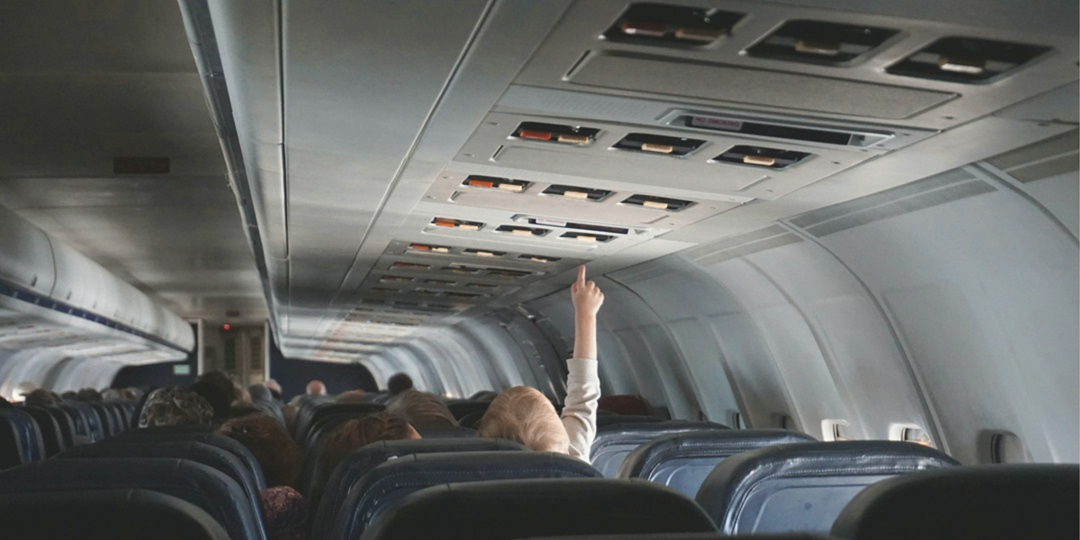
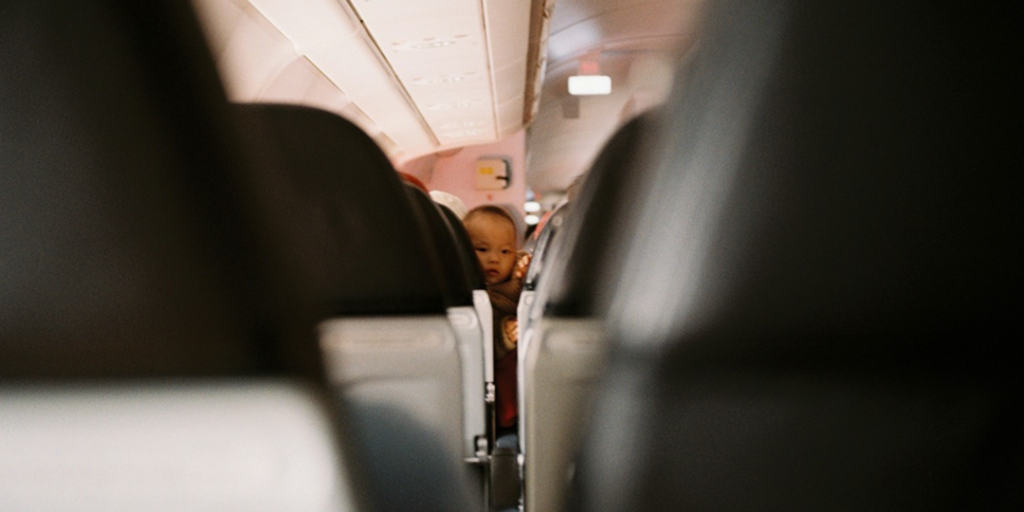
I recently sat behind a couple flying long-haul with a toddler and nine-month-old twins. Three small (and very mobile!) children. Twelve hours. One aeroplane. I watched the comings and goings, the screams, the wails and the grunts with a mix of deep admiration for those parents and quiet gratitude that I wasn’t responsible for anyone’s nappy, snack or emotional stability. Flying with small children, I’ve concluded, is an exercise in logistics, patience and earplugs.
The good news? With a wee bit of planning, it can be a great deal less traumatic than the prospect suggests.
It did get me thinking, though: why on earth do airlines invite families with young children to board first? Surely the last thing a small child needs is an extra 40 minutes strapped into a seat before the aircraft has even left the ground. And by then, the bottle you so carefully saved for take-off has been drained before the last overhead locker is closed! My vote? Board families as the plane pushes back. (I appreciate that aviation safety may have other opinions.)
So, whether you’re doing the quick hop to Cape Town or the long haul to London, here is my advice for everyone involved in the small miracle that is travelling with young children.
Before you fly: preparation is your best friend
Choose your flight times wisely
Where possible, choose flight times that fit around your child’s usual sleep pattern. A night flight sounds wonderful in theory, but an overtired toddler doesn’t necessarily grasp the concept of quiet hours. On a daytime flight, on the other hand, don’t bank on a string of long, peaceful naps. My twelve-hour neighbours certainly didn’t get any!
Book your seats together
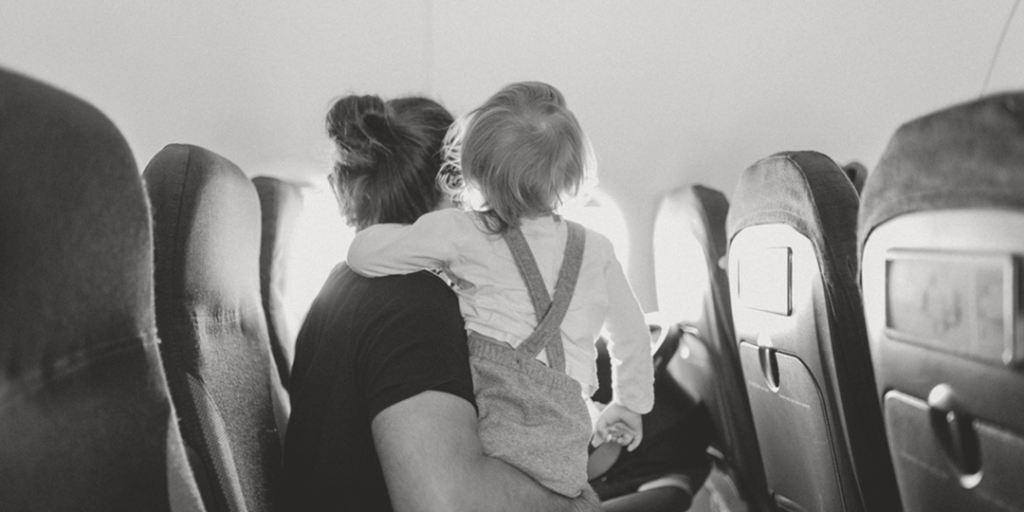
However tempting it may be to put a few rows between yourself and the rest of the family, common sense must win: book your seats together, and book early. While you’re at it, check your baggage allowance and make the most of every kilogram, because you’ll need as much as you can possibly carry. And don’t forget you’ll also need a spare arm or two for your little bundles of joy!
Check bassinet availability early
Well before you fly, check bassinet availability and the airline’s rules on infant travel for your flight date. Bassinets are usually fitted at the bulkhead rows, which are limited in number and increasingly sold at a premium (as are aisle seats). Leave it too late and you’re in for some frustration.
A word of realism, though. Booking a bassinet doesn’t guarantee that your baby will sleep in it. Nor does it guarantee that the passenger beside you, who may well have paid extra for that legroom, will be thrilled to share it with your bundle of joy. A warm smile and an early apology go a long way.
Pack for the unexpected (then pack some more)
Good logistics means packing for the unexpected. Nappies, wipes, a change of clothes for baby and for you, plastic bags for the soggy aftermath, familiar snacks, any medicines your child needs and a few favourite toys all belong in your hand luggage. Baby milk and baby food are usually allowed through security in more than the standard 100 ml but check your airport and airline rules before you go.
Then add more nappies, more food and more clothes. You will always need more than you think!
As every mother knows, delays and accidents happen, and nobody wants to discover at 35,000 feet that the last clean vest has been sacrificed to a spectacular nappy leak. On one memorable flight, we got through four outfits thanks to bouts of vomiting. I suspect he was travel sick, but he had no way of warning us. Some lessons in patience can only be learned the hard way.
Protecting little ears during take-off and landing
Changes in cabin pressure during take-off and landing can make little ears very uncomfortable. Swallowing helps to equalise the pressure, so breastfeeding, a bottle or a dummy can work wonders for babies.
Here’s the trick: don’t “waste” those precious feeds settling your baby before take-off. Save them for when the wheels leave the ground, and again as you begin your descent.
Older children can sip water or practise swallowing. For a child old enough to manage one safely, a hard sweet is the perfect marriage of bribe and practical benefit (hard sweets are a choking hazard for little ones, so keep them for the bigger kids). Heck, hand over the rest of the packet as you land as a reward. Just not at take-off, or you may have a sugar-fuelled wee monster on your hands for the rest of the flight!
And if your child has a cold or an ear infection, please see your doctor before you fly. Blocked ears and pressure changes are not a happy combination.
Keeping toddlers busy on a long flight
Movement matters
Much as you’d love to keep your toddler under control, toddlers are simply not designed to sit still for twelve hours. When it’s safe and the seatbelt sign is off, take a stroll up and down the aisle and chat to the passengers wearing that “I’ve been there” look. A wander passes the time and shares the load around the whole plane.
Quiet time (and yes, screens)
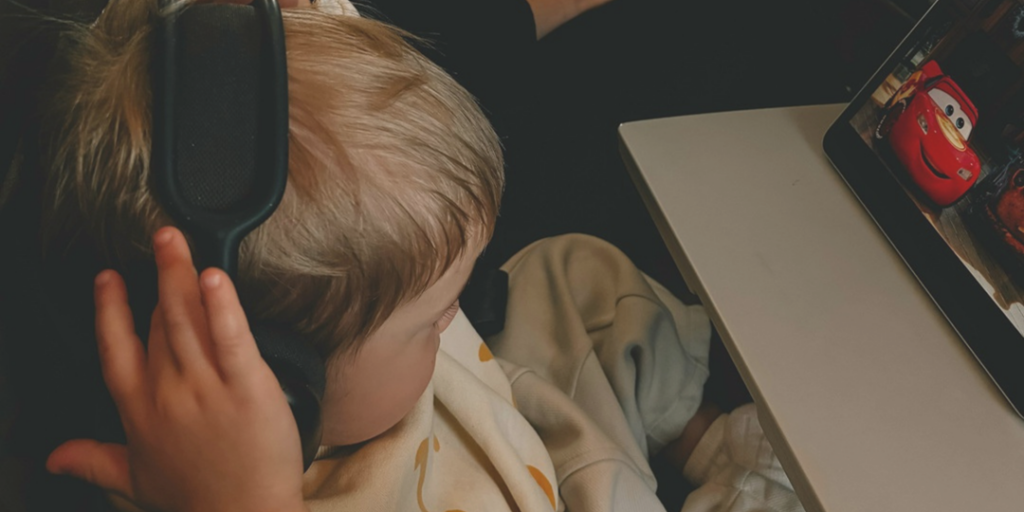
Practise some quiet activities too, so there are moments when your toddler can sit happily without entertaining the entire cabin. And accept that screen time may exceed your usual household policy, by many hours. A flight is not the place to launch a major parenting experiment.
Remember, too, that you don’t have to entertain your children every single second. Familiar routines, realistic expectations and a few well-timed distractions go a long way. Nobody expects perfection at 35,000 feet.
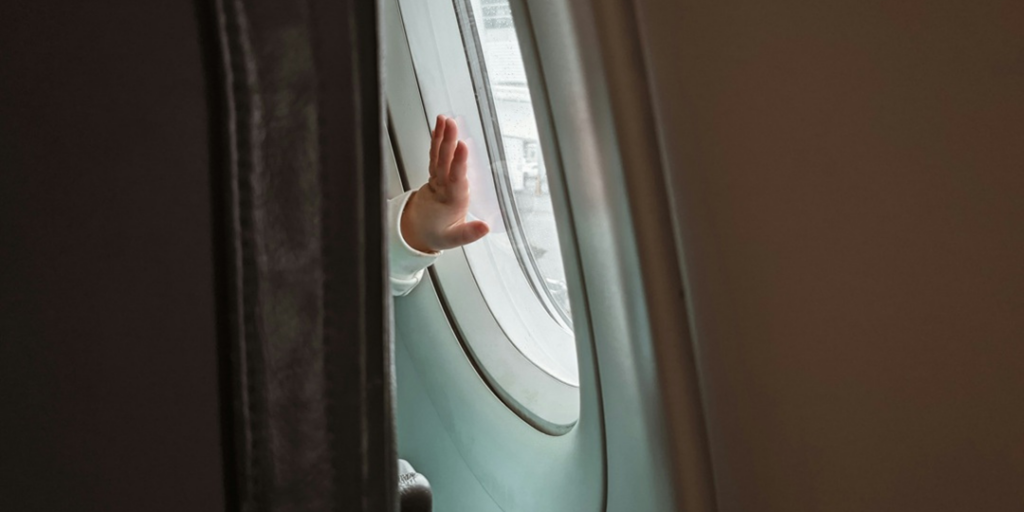
Be kind, to your crying baby and to yourself
A crying baby is not evidence of bad parenting. It can feel mortifying, but be patient with your little one, and with yourself. Och, it’s a long flight. Babies cry. Toddlers have opinions (otherwise known as tantrums). And even the most seasoned parents can be undone by jet lag, turbulence and a missing comfort blanket.
Keep an eye out for the fellow passenger who offers a little support, too. These kind souls can make or break a long flight. I used to start every long flight by telling the parents near me that I wasn’t the least bit fazed by sitting near small people. They had enough on their plates without worrying about me. You’ll find kind people like that on almost every flight.
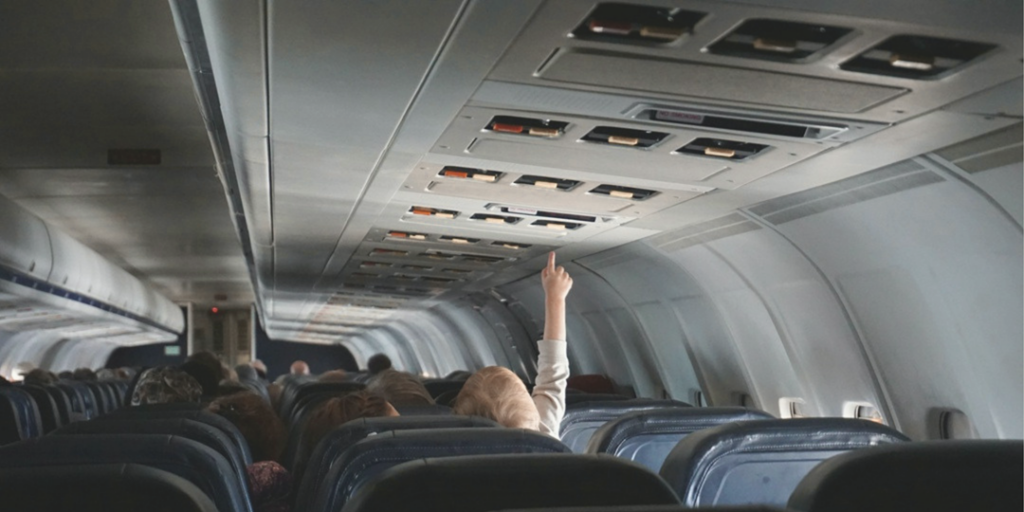
In summary: my top tips for flying with small children
Flying with small children will always be an exercise in logistics, patience and earplugs. But like all travel, it builds memories, and a few good stories for the next family braai. Here are my practical tips to help you prepare for your next flight:
- Book ahead: Confirm seats together, infant fares, baggage allowances and bassinet availability.
- Pack smart: Keep nappies, wipes, spare clothes, snacks, medicines and comfort items within reach.
- Protect little ears: Offer a feed, a dummy or a drink during take-off and landing.
- Plan for delays: Pack enough food, nappies and supplies for longer than the scheduled journey.
- Keep them occupied: Rotate small toys, books, snacks and downloaded entertainment.
- Follow safety instructions: Use approved child restraints where required, and keep children secured when instructed.
- Ask for help: Cabin crew can help within their safety duties, but they are not a travelling childcare service.
- Lower your expectations: A successful flight is one where everyone arrives safely. A little sleep is a bonus; a peaceful journey is practically a miracle.